Finding Art Gallery Jobs Chicago: A Guide for Aspiring Professionals
Breaking into the Chicago art scene can feel like trying to find the entrance to a secret club, but once you're in, it's a world brimming with opportunity. If you're set on landing a role in a Chicago art gallery, you've come to the right place. It takes more than just a passion for art; it requires a smart strategy, a polished application, and a bit of savvy networking.
Let's walk through how to navigate this exciting career path.
Navigating Chicago's Dynamic Art Scene
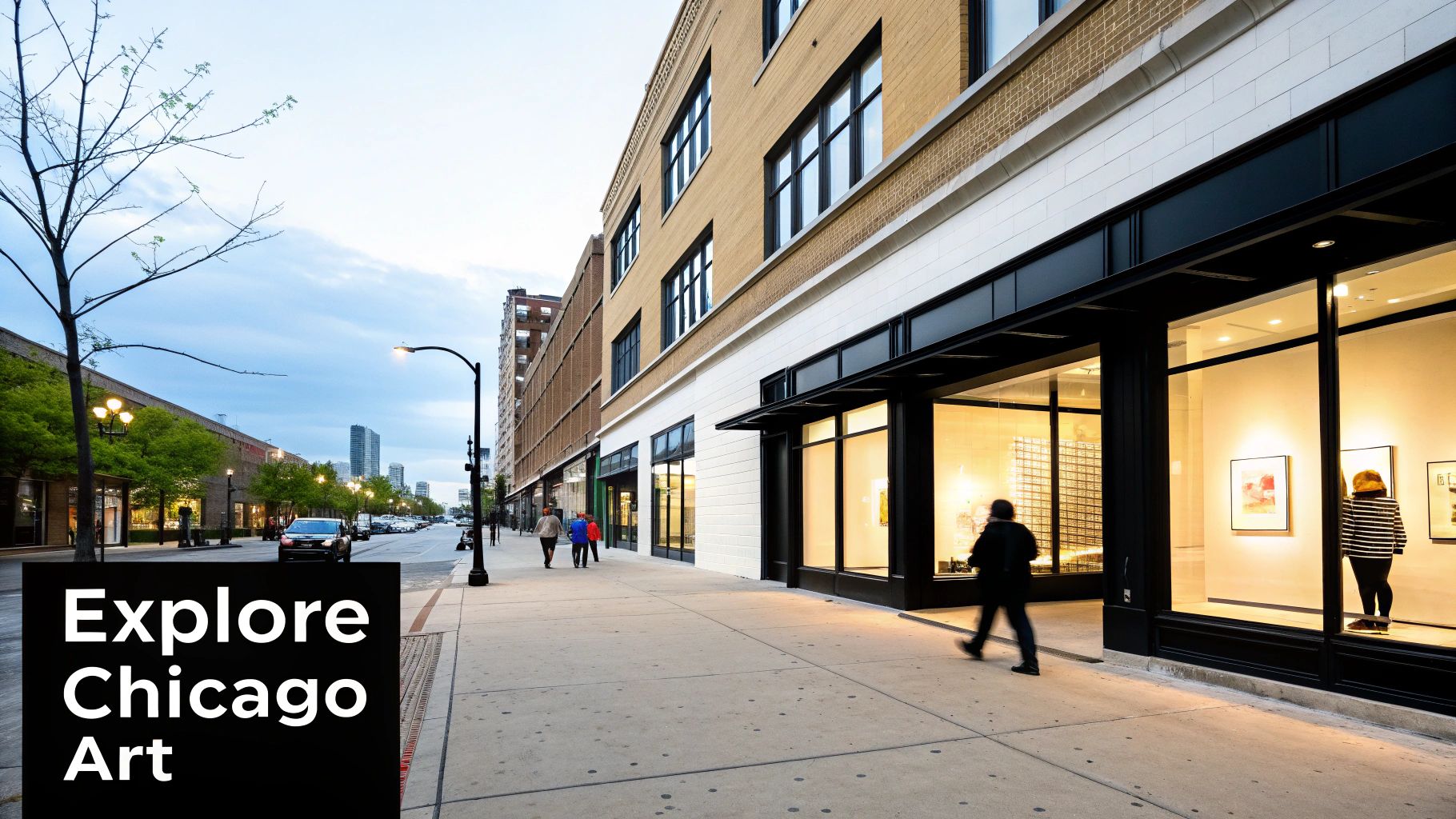
Chicago's art world is a force to be reckoned with. From the sleek, minimalist spaces in River North to the edgier, artist-run galleries popping up in West Town, the city is a magnet for artists, collectors, and culture enthusiasts. For anyone looking to build a career here, this means the environment is competitive, but it's also incredibly rewarding.
Success isn't just about knowing the big-name artists; it's about understanding the intricate ecosystem of the art market and the specific roles that make it all tick. This guide will pull back the curtain on the diverse jobs available, going beyond the familiar front-of-house positions to explore the crucial behind-the-scenes work that truly keeps a gallery running.
Understanding the Career Landscape
Gallery work is far from monolithic. A gallery assistant might be the first point of contact for visitors and handle a flurry of administrative tasks, while a registrar is meticulously managing the gallery's collection, tracking inventory, and coordinating complex loan agreements. Then you have roles in curatorial, sales, operations, and installation—each demanding a very specific set of skills.
Recognizing these distinctions is your first step. A genuine appreciation for art is the baseline, but what truly makes a candidate stand out is a solid understanding of a gallery as a business. To get inside the head of a potential buyer, check out our guide on how to choose art for your home—it’s a great way to deepen your perspective.
It's also important to be realistic about the job market. While the U.S. Bureau of Labor Statistics doesn't project significant national job growth in related fields through 2034, there's another side to that story. The BLS also anticipates around 4,400 annual openings across the country, largely due to people retiring or moving into different careers. This turnover creates a consistent flow of opportunities for fresh talent to step in.
Persistence and specialization are your best allies. Don't just say you love art. Show a gallery how your specific skills—whether in marketing, logistics, or sales—will directly contribute to their bottom line and artistic mission.
To get your search started on the right foot, I've put together a quick rundown of the best places to look for art gallery jobs in Chicago.
Top Resources for Chicago Art Gallery Job Listings
This table summarizes the go-to platforms for finding gallery openings in the city, from entry-level internships to senior director roles. Knowing where to look is half the battle.
| Platform | Types of Roles Typically Found | Best For |
|---|---|---|
| CAC Job Board | Internships, Gallery Assistant, Curatorial Assistant, Registrar | Entry-level and mid-career professionals looking for a comprehensive list of local arts opportunities. |
| Newcity Art | Gallery Director, Sales Associate, Art Handler, Marketing Roles | Experienced professionals and those seeking roles in well-established commercial galleries. |
| Sales, Operations, Marketing, Administrative, Director-Level | Networking and finding roles in larger galleries or arts organizations with a corporate structure. | |
| Indeed / Idealist | Administrative, Visitor Services, Internships, Volunteer Positions | A broad search for entry-level positions and opportunities in non-profit art spaces. |
Using a mix of these resources will give you the widest possible view of what’s available, ensuring you don't miss out on that perfect opening.
Where to Find High-Value Gallery Openings
If you want to land a great gallery job in Chicago, you need to look beyond the usual suspects like Indeed or LinkedIn. While those big job boards are a decent starting point, the most compelling opportunities—the ones that truly build a career—are often found in quieter corners of the city’s tight-knit arts community. A multi-faceted search strategy is your best bet for uncovering positions that never even hit the mainstream market.

Of course, you should still use the larger sites, but do it smartly. Instead of a generic "art jobs" search, get specific. Try phrases like "gallery sales associate Chicago" or "curatorial assistant River North" to cut through the noise. This focused approach saves an incredible amount of time and zeroes in on roles that actually match what you’re looking for.
Tapping into Niche Art Community Platforms
The real gems are found on Chicago-specific resources. These are the platforms where galleries post openings for a dedicated, local audience—meaning you’ll face less competition and find more specialized roles.
- Chicago Artists Coalition (CAC): Frankly, the CAC job board is non-negotiable. It's the most vital tool for anyone serious about this search, a curated hub for everything from gallery assistant roles to executive director positions.
- Local Arts Publications: Keep an eye on websites like Newcity Art and Sixty Inches From Center. They don't just publish reviews; they're deeply embedded in the scene and often feature job listings from prominent local galleries.
- University Career Centers: You don't always have to be an alum to access these. Institutions with strong arts programs, like the School of the Art Institute of Chicago (SAIC) and the University of Illinois Chicago (UIC), have career portals that are goldmines for internships and entry-level jobs.
These hyper-local channels give you a direct line to curated opportunities. Galleries often post here first because they know they'll attract candidates who are already passionate and knowledgeable about the Chicago art world.
The market here is consistently active. Right now, you'll find dozens of active openings for roles like Administrative Assistants, Guest Service Agents, and Event Staff. Platforms like the Chicago Artists Coalition's resource hub are always buzzing with postings for higher-level positions, too, such as Executive Arts Director and Sales Coordinator. A quick look at current art gallery jobs in Chicago on Indeed shows just how diverse the opportunities are.
Directly Monitoring Key Gallery Districts
Another essential tactic is going straight to the source. Many of the most respected galleries skip the job boards altogether and post openings exclusively on their own websites. They do this to attract candidates who are already following their program and genuinely invested in their vision.
Pick a few key gallery hubs and get to know the players:
- River North: This is where you'll find many of Chicago’s most prestigious and long-standing commercial galleries.
- West Loop & West Town: This area is known for its dynamic mix of established venues and innovative contemporary spaces, like Mariane Ibrahim and Monique Meloche.
Make a personal list of 10-15 galleries in these neighborhoods that you truly admire. Set a reminder to check their websites once a week. This proactive approach shows real initiative and a specific interest that hiring managers notice. And while you're at it, make sure your own digital footprint is strong; our guide on social media for artists has some great pointers that apply here, too.
Crafting an Application That Stands Out
Let’s be honest: in the Chicago art scene, your application is everything. It’s your first handshake, your opening line, and often your only shot to get a gallery manager’s attention. A generic resume just won’t cut it here. You need to tell a compelling story about why you’re the perfect fit for that specific role at that specific gallery.
This means you have to do more than just list your old job duties. You need to translate your past experiences, especially if they’re from outside the art world, into language that resonates with gallery directors. Skills from high-end retail, hospitality, or event planning are incredibly valuable, but you have to frame them correctly.
Tailoring Your Resume for Gallery Roles
A gallery manager isn't just filling a slot; they're bringing someone into their very specific world. They need to see that you understand their artists, their clients, and their brand right from the first glance at your resume.
Think critically about how your background connects to a gallery's day-to-day needs. Did you build a loyal customer base at a luxury boutique? That’s not just sales—that's experience developing and maintaining collector relationships. Were you in charge of inventory at a small shop? You have a background in collections management and tracking. It's all about the translation.
Here’s how you can reframe common experiences:
Instead of: "Helped customers find products."
Try: "Advised clients on high-value purchases, cultivating repeat business through personalized consultations."
Instead of: "Planned company parties."
Try: "Coordinated logistics for promotional events, managing vendor contracts and guest lists for up to 100 attendees."
This kind of strategic wording shows you’re not just looking for a job, but that you understand the business of art and can step in and contribute immediately.
Writing a Cover Letter That Connects
Your cover letter is where your personality and passion really need to shine. This is your chance to move beyond the bullet points and make a genuine connection. Don't just repeat your resume. Instead, draw a clear, direct line between your skills and the gallery's specific mission.
Mention an artist they represent whose work you genuinely admire, and explain why. Talk about a recent exhibition they hosted that you found compelling. This proves you’re not just blanketing the city with applications for any art gallery jobs in Chicago; it shows you are specifically interested in their gallery and its unique place in the art world.
A great cover letter answers the hiring manager's unspoken question: "Why us?" It demonstrates that you’ve done your homework and are a thoughtful, engaged candidate.
Building a Non-Artist Portfolio
You don’t have to be a painter to need a portfolio. For administrative, curatorial, or communications roles, a professional portfolio is simply a curated collection of your best work that proves your skills. Think of it as a digital show-and-tell.
Your non-artist portfolio could include things like:
- Writing Samples: A sharp blog post about a contemporary artist, a sample press release for a fictional exhibition, or even a strong academic essay on art history.
- Project Examples: A social media campaign you managed, a marketing plan you developed, or a detailed event proposal.
- Press or Recognition: Any articles or mentions of your work from previous jobs.
This collection gives a gallery tangible evidence of what you can do. And for those looking to better understand the creative side of the business, our guide on how to develop your art style offers valuable insights into the artistic process.
Building Connections in the Chicago Art Community
In Chicago's tight-knit art world, your resume might get you in the door, but it’s your connections that will land you the job. Finding art gallery positions here often comes down to who you know and, more importantly, who knows and respects your work ethic. Think of networking less as a transaction and more as the art of building genuine, lasting relationships with peers, mentors, and potential employers.
This isn’t about collecting business cards. It's about establishing a thoughtful, consistent presence where the art community lives and breathes. It means showing up, being genuinely engaged, and becoming part of the conversation.
Making an Impression at Gallery Openings
Gallery openings and art events are your best bet for organic networking. This is where you can meet gallery directors, artists, and curators in a far more relaxed setting than a formal interview. The goal isn't to ask for a job on the spot, but to plant a seed by demonstrating your authentic interest and knowledge.
Make it a point to attend openings in key gallery districts like River North and West Town. Before you go, do a little homework on the exhibiting artist. A simple, well-informed question about their technique or concept can open doors much more effectively than a direct pitch. Major events like EXPO CHICAGO are also must-attends, offering direct access to the city’s most important art world figures.
A key piece of advice I always give: engage with the art first, then the people. Show that your primary reason for being there is a true appreciation for the work. It makes any conversation that follows feel more authentic.
Leveraging Professional and Volunteer Opportunities
Beyond just showing up to events, strategic professional outreach is critical. Use LinkedIn to connect with gallery staff and directors, but always personalize your invitation. A brief note explaining your admiration for their program or a recent exhibition shows you've done your research and positions you as a serious professional.
Another fantastic way to get your foot in the door is by volunteering. Institutions like the Museum of Contemporary Art Chicago or the Hyde Park Art Center often rely on dedicated volunteers and interns. It’s an invaluable way to get hands-on experience and meet influential people while actively contributing to the community. You can also explore local art community projects to build both your network and your portfolio.
The Art of the Informational Interview
An informational interview is a focused conversation—not a job interview. It's your chance to ask for career advice from someone you admire in the field. When you reach out, be clear and specific about why you’re contacting them and what you hope to learn.
Keep your request brief and respectful of their schedule. Suggesting a quick 15-minute call or coffee meeting often works best. Come prepared with thoughtful questions about their career path, the gallery's culture, or challenges facing the industry. This approach builds genuine rapport and often leads to mentorship or future job leads when a position opens up.
Before you start reaching out for these kinds of meetings, you need to have your professional documents ready to go.
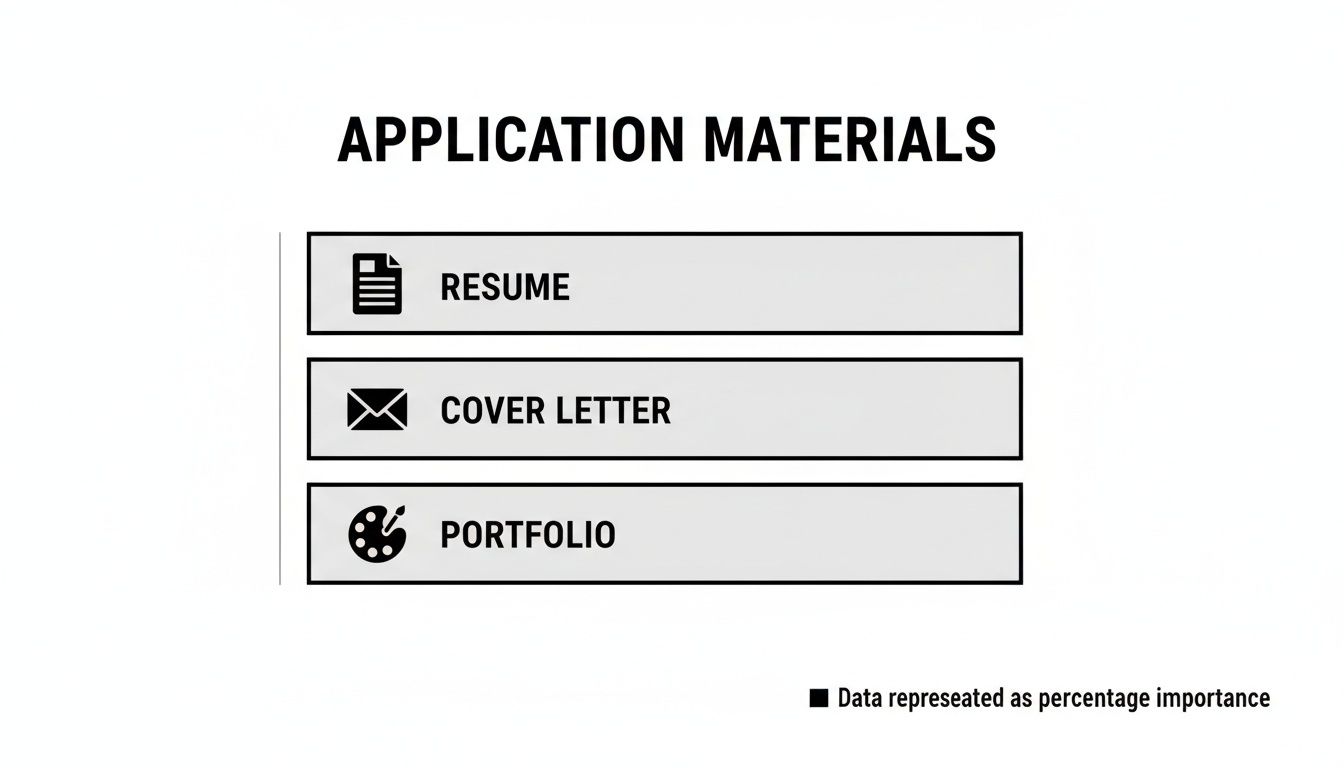
Each of these—the resume, cover letter, and portfolio—is a crucial piece of your professional story. Make sure each one is polished and tailored to the specific roles you're targeting.
How to Ace the Gallery Interview
Landing an interview at a Chicago art gallery is a huge step. Now, you need to show them you're more than just a resume. Think of it less as a typical corporate interview and more as a conversation to see if there’s a genuine creative and professional chemistry. They want to know you not only have the skills but that you truly get their vision.
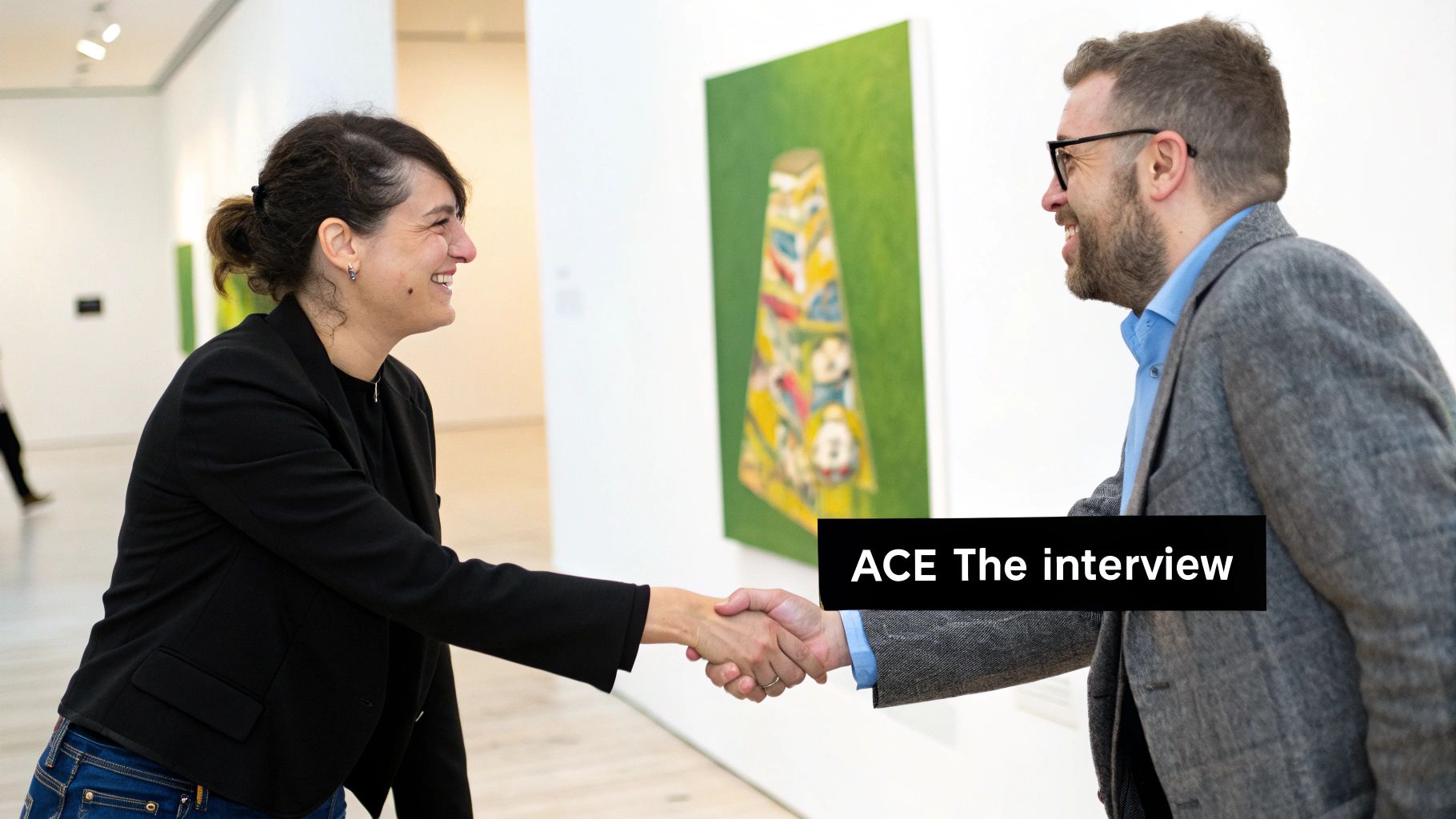
This all starts with doing your homework. Don't just skim their website's "About" page. Dive deep. Get familiar with their roster of artists, look through their exhibition history for the past couple of years, and see what the press has been saying about them. You want to walk in with a real understanding of their place in Chicago’s art scene.
Show You've Done More Than Just Look
All that research pays off when you can speak with an informed passion. When the inevitable question comes—"What resonates with you about our gallery?"—you need an answer that proves you're a serious candidate for art gallery jobs in Chicago. A generic response won't cut it.
Be ready to talk about specific artists or shows. For instance, you could say, "I was particularly struck by the material choices in [Artist's Name]'s recent solo show. The way they explored texture felt like a fresh conversation in contemporary sculpture."
That kind of detail instantly signals that you’re not just looking for any job; you are specifically interested in their contribution to the art world.
Answering Questions Specific to the Gallery World
Of course, you’ll get some standard interview questions. But the real test will be the prompts tailored to the gallery environment. A hiring manager needs to see that you can think critically about art and, just as importantly, speak confidently with artists, visitors, and collectors.
You should prepare for questions like these:
- "Which of our artists' work do you connect with most, and why?" Here’s where your research shines. Connect your personal perspective to what you’ve learned about their program.
- "How would you engage a potential new collector who seems hesitant?" This is about your interpersonal skills and sales instincts. The best answers focus on building a relationship and understanding the client's taste, not on making a hard push for a sale.
- "Describe a time you had to explain a complex piece of art to someone." They want to see if you can make art accessible without oversimplifying it. It’s a communication test, plain and simple.
Your answers should be thoughtful but not long-winded. The goal is to blend your knowledge of art with a clear understanding of the gallery’s purpose, which is both cultural and commercial. Having a grasp of the practical side helps, too—for instance, knowing the basics of how to hang large canvas art shows you think about exhibitions from start to finish.
Don’t forget the final, critical step. A prompt and professional follow-up is non-negotiable. Send a personalized thank-you email within 24 hours. In it, reiterate your interest and mention something specific you discussed. This small gesture reinforces your professionalism and can be the very thing that sets you apart from other qualified candidates.
Common Questions About Chicago Art Gallery Jobs
Trying to break into the Chicago gallery world? It's natural to have questions. Everyone wonders about the "right" degree, how to get a foot in the door without experience, and what the job market actually looks like. Let's clear up some of the most common questions with some straight, practical advice.
Do I Need an Art History Degree to Work in a Chicago Gallery?
Here’s the honest answer: it helps, but it’s not always a dealbreaker. While a degree in art history or arts administration is definitely a plus, galleries are also businesses. They need people who can sell, manage client relationships, and keep things running smoothly.
If your background is in luxury sales, high-end customer service, event planning, or detailed administrative work, you already have skills that galleries desperately need. The trick is to pair that experience with a genuine, demonstrable passion for art. Show them you've done your homework on the Chicago scene, that you follow contemporary artists, and that you understand their specific gallery's program.
An art history degree opens doors, but a proven track record in luxury sales combined with a genuine passion for a gallery’s specific program can open the same doors, sometimes wider. Galleries need people who can connect with collectors and contribute to the bottom line.
What Is the Best Way to Gain Experience if I Have None?
Facing the classic "need experience to get experience" problem? The best way forward is to simply get in the room. You need to become a part of the local arts ecosystem, and that often starts with volunteering or interning.
Look for opportunities at established galleries, but don't forget major players like the Museum of Contemporary Art Chicago or community hubs like the Hyde Park Art Center. These places are fantastic for learning the ropes and meeting people who can help you later on.
A few other ideas to get you started:
- Offer short-term help: Go to openings and big events like EXPO CHICAGO. You can often pick up short-term event work, which is a perfect way to make a good impression.
- Lean on related skills: Experience in high-end retail or hospitality is gold. You’ve already honed the client-relations skills that commercial galleries are looking for.
- Help an artist out: Offer to help a local artist with their admin or organization. It’s an incredible way to build your resume and, just as importantly, your network from the inside out.
Are Most Art Gallery Jobs in Chicago Full-Time?
It’s a real mix. The type of job often depends on the gallery's size and focus. You'll find that smaller, more experimental spaces are more likely to have part-time openings, especially for gallery assistant roles that cover weekends and evenings.
On the other hand, the more established commercial galleries—particularly those clustered in River North and the West Loop—tend to offer more full-time positions. Think gallery director, sales associate, and registrar. Don't be discouraged if an entry-level job starts as part-time; for the right person, these often have the potential to grow into a full-time role. Always read the job description closely to see what they're offering.
How Important Is Social Media for My Job Search?
It’s more than important—it’s practically essential. A professional social media presence isn’t just a nice-to-have anymore. For art gallery jobs in Chicago, it's often part of the unofficial vetting process.
Think of LinkedIn as your digital resume and networking hub. It's where you make professional connections. Instagram, however, is where the art world lives and breathes visually.
Follow the Chicago galleries you admire. Engage with their posts thoughtfully (a well-placed comment is better than a dozen likes). This shows you’re paying attention and are genuinely invested in their program. If you’re an aspiring curator or artist, it's also your public portfolio. Just make sure your public profiles are polished and reflect the professional you want to be—because you can bet that hiring managers are looking.
At Skyler’s Art, we believe that art is a conversation. Discover original works that speak with authenticity and emotion, and find a piece that tells your story. Explore the collection at https://skylers-art.org.