Tilsner Artists Co Op A Guide to St Pauls Creative Heart
The Tilsner Artists Co‑op is more than just a building; it’s a historic live/work community designed to provide affordable housing and studio space for creatives right in the heart of St. Paul's Lowertown district. It serves as both a residence and a creative incubator, making it a true cornerstone of the local arts scene. The entire structure is built around supporting artists, offering them a stable and inspiring environment where they can both live and perfect their craft.
What Is the Tilsner Artists Cooperative
Tucked away in St. Paul's vibrant Lowertown, the Tilsner Artists Co‑op is a living, breathing community built by artists, for artists. It’s a place where your home is also your studio, and your neighbors are fellow creators who just get the unique rhythm of an artistic life. This is the whole point of the Tilsner—to provide a stable, collaborative setting where creativity can thrive, free from the crushing pressure of high living costs.
The building itself is a beautifully repurposed historic landmark, now a bustling hub with 66 affordable live/work units designed specifically for creatives and their families. Inside, you'll find a mix of studios and 1, 2, and 3-bedroom lofts featuring the kind of details artists love: exposed ductwork, original wood columns, and warm pine floors.
A Foundation for Creativity
At its core, the Tilsner runs on a cooperative model. This means the artists who live there collectively own and manage the property, which fosters a powerful sense of community and shared responsibility. It's the kind of place where collaborations spark in the hallways and support is just a door knock away.
This model is so effective because it gives artists exactly what they need:
- Affordability: With below-market-rate housing, artists can invest more of their time and money directly into their work.
- Stability: Secure housing removes the constant stress of finding a new place to live, giving artists the peace of mind to focus on long-term projects.
- Community: Living among other creative professionals creates a built-in network for inspiration, feedback, and career opportunities.
A quick look at the entrance hints at the building's rich history and creative soul.
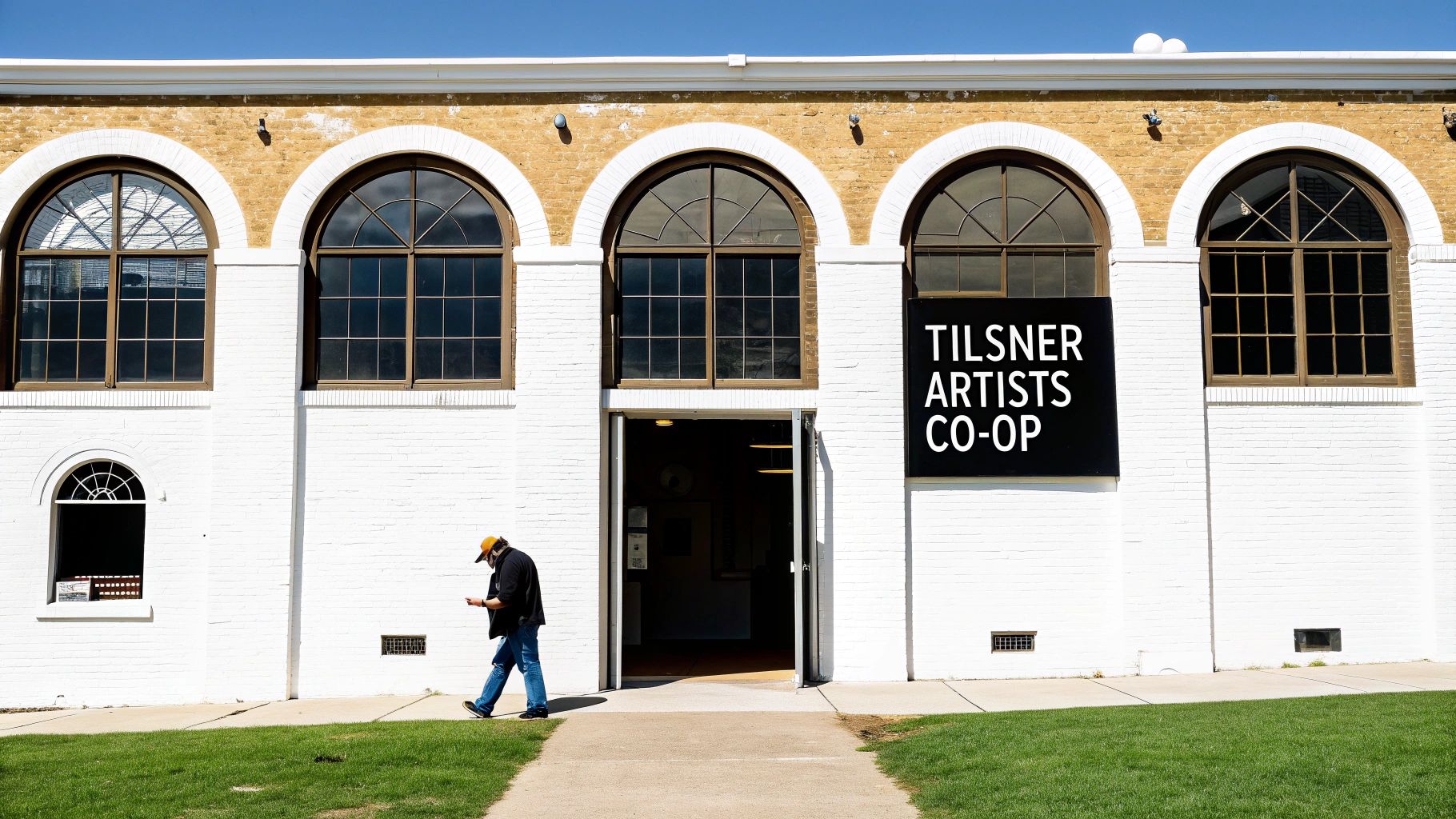
The Romanesque architecture makes the Tilsner a standout landmark in Lowertown, perfectly blending historic preservation with its modern purpose as an arts hub. It’s a fantastic example of how dedicated spaces can strengthen a community artist collective.
For a quick overview, here are the key details of the Tilsner Artists' Cooperative.
Tilsner Artists Co Op at a Glance
| Feature | Description |
|---|---|
| Location | Historic Lowertown, St. Paul, Minnesota |
| Building Type | Live/Work Cooperative |
| Number of Units | 66 affordable lofts (Studios, 1, 2, & 3-Bedroom) |
| Mission | Provide stable, affordable housing and studio space for artists. |
| Ownership Model | Cooperative; residents collectively own and manage the property. |
| Key Benefit | Fosters a strong, supportive community of creative professionals. |
This at-a-glance summary highlights what makes the Tilsner a unique and vital resource for the St. Paul arts community.
The History of Lowertown's Creative Soul
To really get the full picture of the Tilsner Artists' Co‑op, you have to go back to the story of its home: Lowertown, St. Paul. It’s a celebrated arts district now, but decades ago, it was a very different place—a quiet landscape of old, forgotten warehouses.
But where most people saw decay, a handful of pioneering artists saw something else entirely. They saw potential. Drawn by the promise of huge, affordable studio spaces, they started moving in, turning these industrial skeletons into bustling centers of creativity. It was never just about cheap rent; it was about building a community from scratch. The historic architecture and wide-open floor plans were the perfect canvas for both their work and their lives.
The Rise of an Arts Community
As more creators flocked to the area, this organic movement started to take on a more organized shape. The shared spirit of collaboration was so powerful that it led directly to the founding of the St. Paul Art Collective in 1977. For the first time, local artists had a unified voice to advocate for their needs and put on community-wide events.
Of course, with revitalization comes new challenges. As Lowertown’s reputation grew, so did the threat of displacement. By the mid-1980s, the very artists who had infused the neighborhood with new life found themselves facing eviction notices. Developers had taken notice, and the community was at a crossroads, in danger of being priced out of the very spaces they had made so desirable.
The question was stark: how could the creative heart of Lowertown be saved? The answer was to secure permanent, affordable housing where artists could both live and work, a goal that would require incredible community effort.
A dedicated housing committee within the St. Paul Art Collective rose to the occasion, exploring ways to establish stable, artist-controlled properties. This was the critical move that began to turn the tide against gentrification. Their work laid the groundwork for the artist cooperatives that would soon become the unshakable foundation of the community.
Tilsner's Foundational Role
The need for these spaces was immense and immediate. Inspired by the success of an initial cooperative project, the nonprofit developer Artspace joined the effort to expand the vision. It was at this crucial moment that the Tilsner Artists' Co‑op was established as one of three cornerstone buildings meant to anchor the artist community for good.
Together, these buildings created over 118 affordable live/work units, giving artists a permanent foothold in Lowertown.
This history isn’t just about a building; it's the story of a community that fought to protect its soul. The Tilsner Artists' Co‑op stands today as a direct result of that struggle—a living monument to the artists who refused to be pushed out. Its mission to provide secure, affordable space continues to honor that legacy, ensuring that artists remain the vibrant, beating heart of Lowertown. Stories like this are often at the core of many successful art community projects.
Inside the Tilsner Building: A Creative Space
Walking through the doors of the Tilsner building feels like stepping into a conversation between history and creativity. The building itself, a beautiful piece of 1895 Victorian Romanesque architecture, immediately sets a tone of inspiration. Its solid brick exterior and grand, arched windows tell the story of its past as a busy warehouse, but today they serve a new community: the Tilsner Artists Co‑op.
The building is home to 66 distinct live/work units, offering everything from intimate studios to sprawling three-bedroom lofts. Each one has been thoughtfully designed to preserve the building’s industrial soul while accommodating the real-world needs of today's working artists.
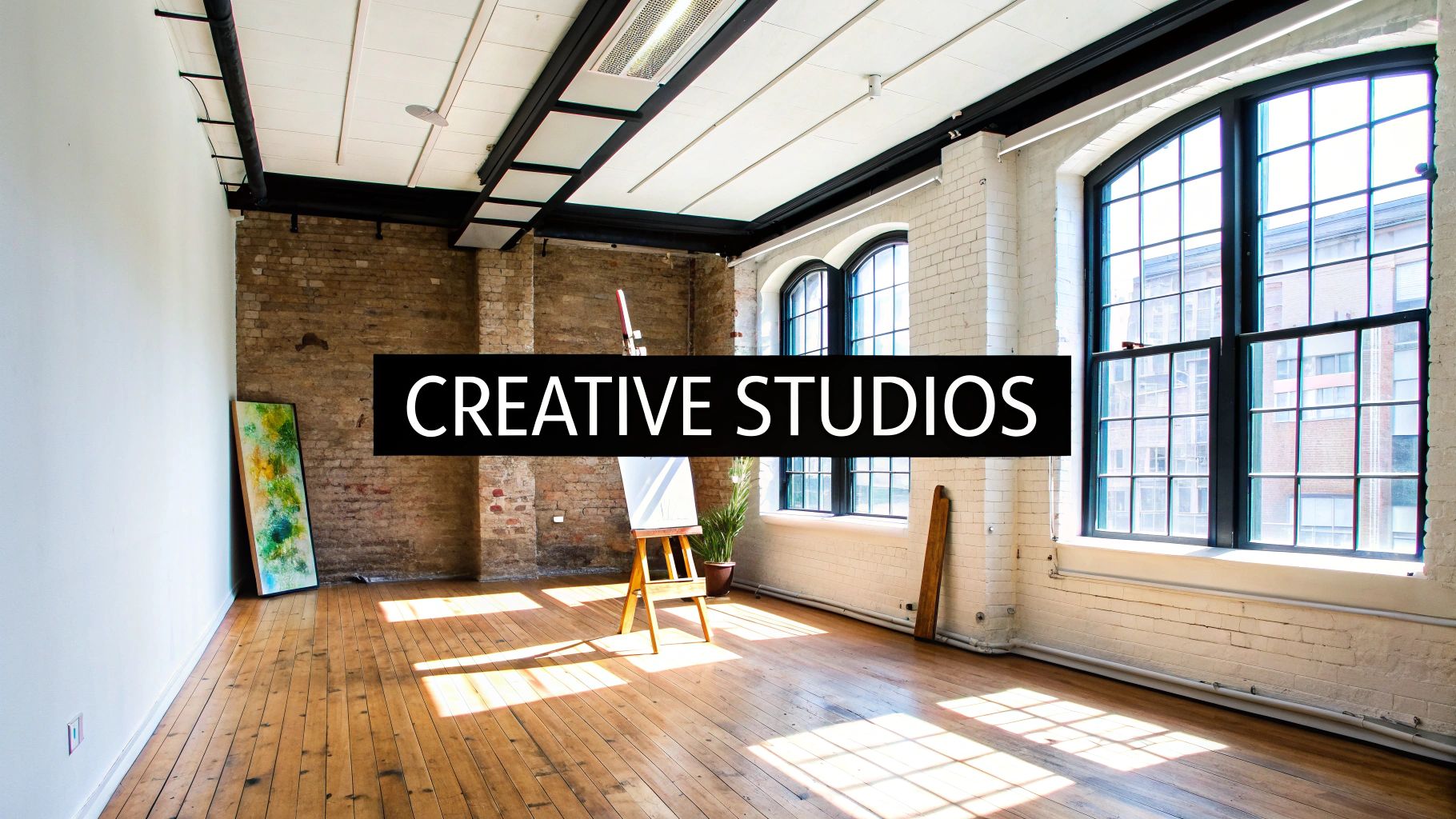
These aren't just apartments; they are blank canvases. Soaring high ceilings give artists the vertical room they need for large-scale pieces, while the massive original windows bathe each space in natural light—an invaluable resource for anyone working in a visual medium.
Architectural Elements That Inspire
The design here is more than just looks; it’s a functional environment built to spark creativity. The very features that make the Tilsner so unique are what make it a place where artists can do their best work.
You’ll find key features like:
- Exposed Brick Walls: They add a rich texture and a tangible sense of history, providing a raw, inspiring backdrop for living and creating.
- Original Pine Floors: The warm, well-worn character of the wood floors connects residents to the building's century-old legacy.
- Open Floor Plans: These flexible layouts give artists complete freedom to shape their space, blurring the lines between home and studio.
These aren't just decorative touches. They combine to create an atmosphere where the past feels present and artistic possibilities feel endless. It’s what turns a simple loft into a personal sanctuary for creation.
The genius of the Tilsner building is its conversion. It has masterfully repurposed the sturdy bones of a historic warehouse into a modern creative incubator, where every structural element supports the artistic process.
Beyond the private lofts, the building nurtures a strong community spirit through its shared spaces. The communal gallery provides a professional venue for residents to showcase their art, inviting conversation with peers and the public.
Meeting areas and common rooms also act as informal gathering spots where collaborations spark and friendships grow. These spaces are the connective tissue of the Tilsner Artists Co‑op, transforming it from a mere collection of studios into a genuinely collaborative ecosystem.
How to Visit and Experience Tilsner Art
Stepping inside the Tilsner Artists Co‑op is the best way to feel the creative pulse of St. Paul's art scene. While the historic building is primarily a private live/work residence for its members, a few special events each year throw the doors wide open for the public. These are your best opportunities to connect directly with the artists and their work.
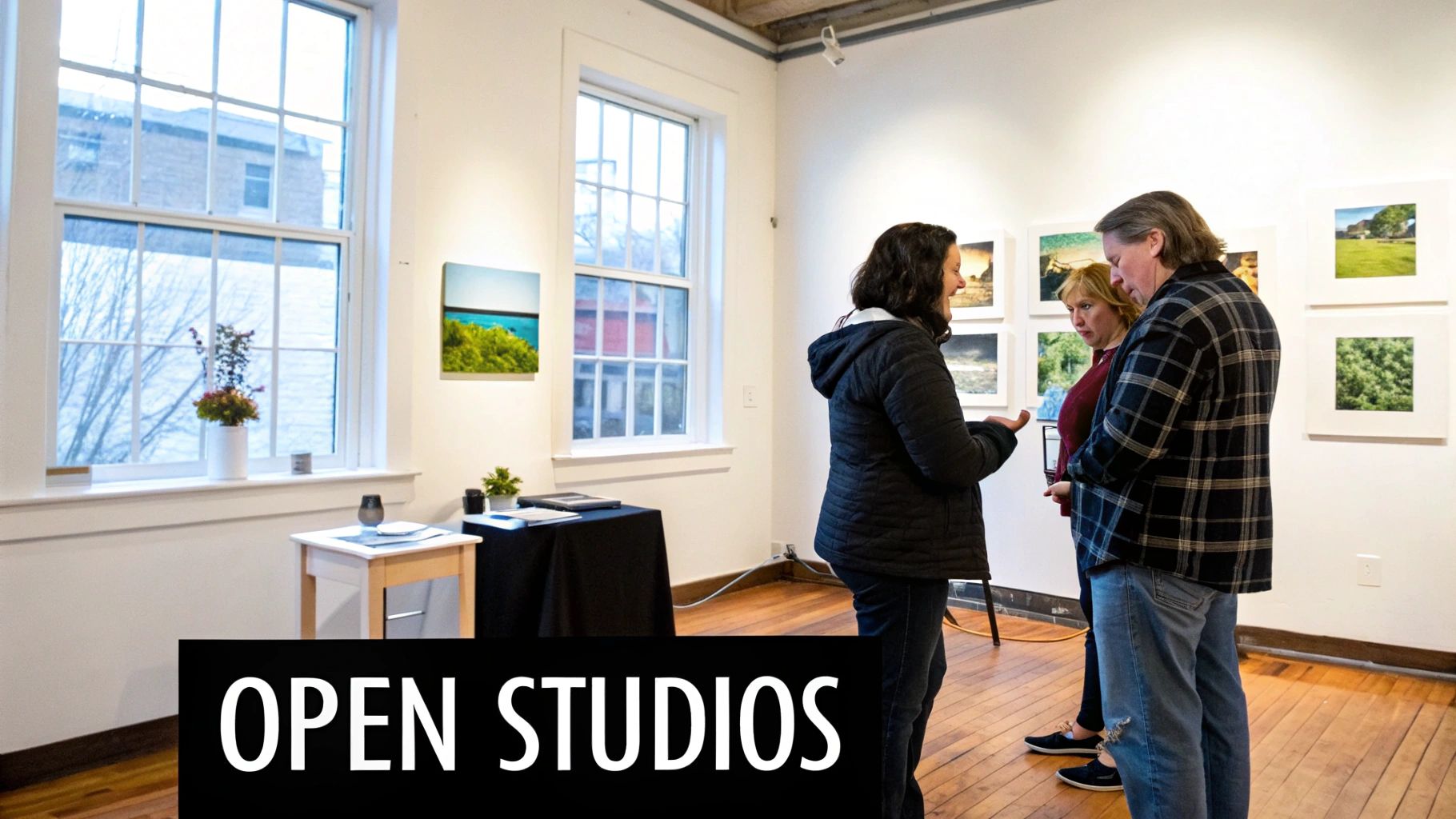
The biggest draw by far is the biannual St. Paul Art Crawl. This much-loved city-wide event, organized by the St. Paul Art Collective, is a highlight on the Lowertown calendar. During the crawl, you can wander the Tilsner's historic halls, peek into individual studios, and buy original pieces straight from the artists themselves. It's a fantastic, bustling experience.
Another can't-miss event is the Tilsner Market, usually held in December. The co-op transforms into a festive marketplace brimming with unique, handcrafted gifts perfect for the holidays. It’s a wonderful chance to find something truly one-of-a-kind while supporting local creators.
Planning Your Tilsner Visit
To get the most out of your time at the Tilsner, a little planning goes a long way. The public events are popular and can get crowded, so knowing what to expect will help you have a more meaningful visit.
Here are a few tips for visiting during an open studio event:
- Check Event Schedules: Before you head out, always double-check the dates and times on the St. Paul Art Collective's official website or the Tilsner's social media pages.
- Engage with the Artists: Don't be shy! The artists are there because they want to talk about their work and their process. Asking questions is the best way to connect with the art you're seeing.
- Be Ready to Buy: Many artists will have work for sale, from large paintings to small prints and crafts. While most accept credit cards, having some cash on hand is always a good idea.
The Tilsner Cooperative Gallery
What if you can't make it to one of the big events? You can still experience the building's creative spirit at the Tilsner Cooperative Gallery. Located on the main floor, this public gallery space showcases rotating exhibitions of work from resident artists and other local talent. It keeps its own hours, which are usually posted at the main entrance and online.
Visiting the gallery is an excellent way to see a curated collection of Tilsner art in a focused setting, offering a snapshot of the community's diverse talent at any given time of the year.
This gallery provides a perfect balance, allowing the public to engage with the Tilsner Artists Co‑op while respecting the privacy of the artists who call it home. If you're looking to dive even deeper into the local scene, this guide to art shows in the Twin Cities is a great resource for planning your next creative outing.
Joining the Tilsner: A Guide to Membership and Application
For many artists, joining the Tilsner Artists Co‑op is more than just finding a place to live—it's about securing a foundation where their creative practice can truly thrive. It offers a unique combination of stability, community, and professional opportunity that’s hard to find anywhere else.
The co-op model is specifically designed to shield artists from the volatility of the rental market. This means members can stop worrying about unpredictable rent hikes and focus their energy and resources where they matter most: on their art.
The most tangible benefit is, of course, access to stable, affordable live/work housing right in the heart of a creative community. This financial security is a game-changer. But beyond the practical perks, members are welcomed into a built-in professional network. Living and working alongside dozens of other artists naturally sparks collaboration, feedback, and shared opportunities, making creativity a part of everyday life.
Who Can Become a Member?
To stay true to its mission, the Tilsner Artists Co‑op has a clear set of criteria for new members. The goal is to ensure the cooperative remains a genuine resource for its intended community. This focus preserves the Tilsner’s identity as both an affordable housing option and a dynamic arts hub.
There are two main requirements for eligibility:
- A Demonstrated Artistic Practice: Applicants need to show a serious, ongoing commitment to their creative work. This is usually done by submitting a portfolio, an artist statement, a resume, or other proof of a dedicated practice.
- Income Requirements: Because the Tilsner provides affordable housing, applicants must meet specific income guidelines. Generally, this means an income below a certain percentage of the area’s median income, keeping the units accessible for working artists.
The selection process isn't just a formality. It's about finding people who will not only benefit from the co-op's unique environment but also actively contribute to its collaborative spirit.
Getting a spot can take patience and preparation, as vacancies are rare and highly coveted. Exploring other artist communities can also be a great way to find your fit; understanding the landscape of art collectives near me provides valuable context on what’s out there.
The Application Process Step-by-Step
Landing a spot at the Tilsner involves a few distinct stages. While the specific details might shift with management, the overall journey follows a clear path.
- Find an Opening: First things first, you have to keep an eye out for vacancies. Openings are typically announced on the Tilsner's official website or through its property management company. Demand is high, so you'll want to act fast when a unit becomes available.
- Prepare Your Portfolio: Your portfolio is your first impression. It needs to be a strong, cohesive representation of your best work and clearly communicate your artistic vision and dedication. Take the time to get it right.
- Complete the Application: Next, you'll submit all the required paperwork. This includes financial documents to confirm your income eligibility and the materials that showcase your art.
- The Interview: If your application makes the first cut, you’ll be invited for an interview with the selection committee. This is your chance to talk about your work, show you understand what co-op living entails, and explain how you'd contribute to the Tilsner Artists Co‑op community.
How Tilsner Nurtures an Artist's Journey
The path of a professional artist is rarely straightforward. It’s a journey filled with experimentation and risk, and for it to be successful, an artist needs more than just raw talent—they need a solid foundation of stability. This is where the true value of the Tilsner Artists Co‑op comes into focus. It provides an environment where creativity isn't a luxury, but a sustainable, everyday practice.
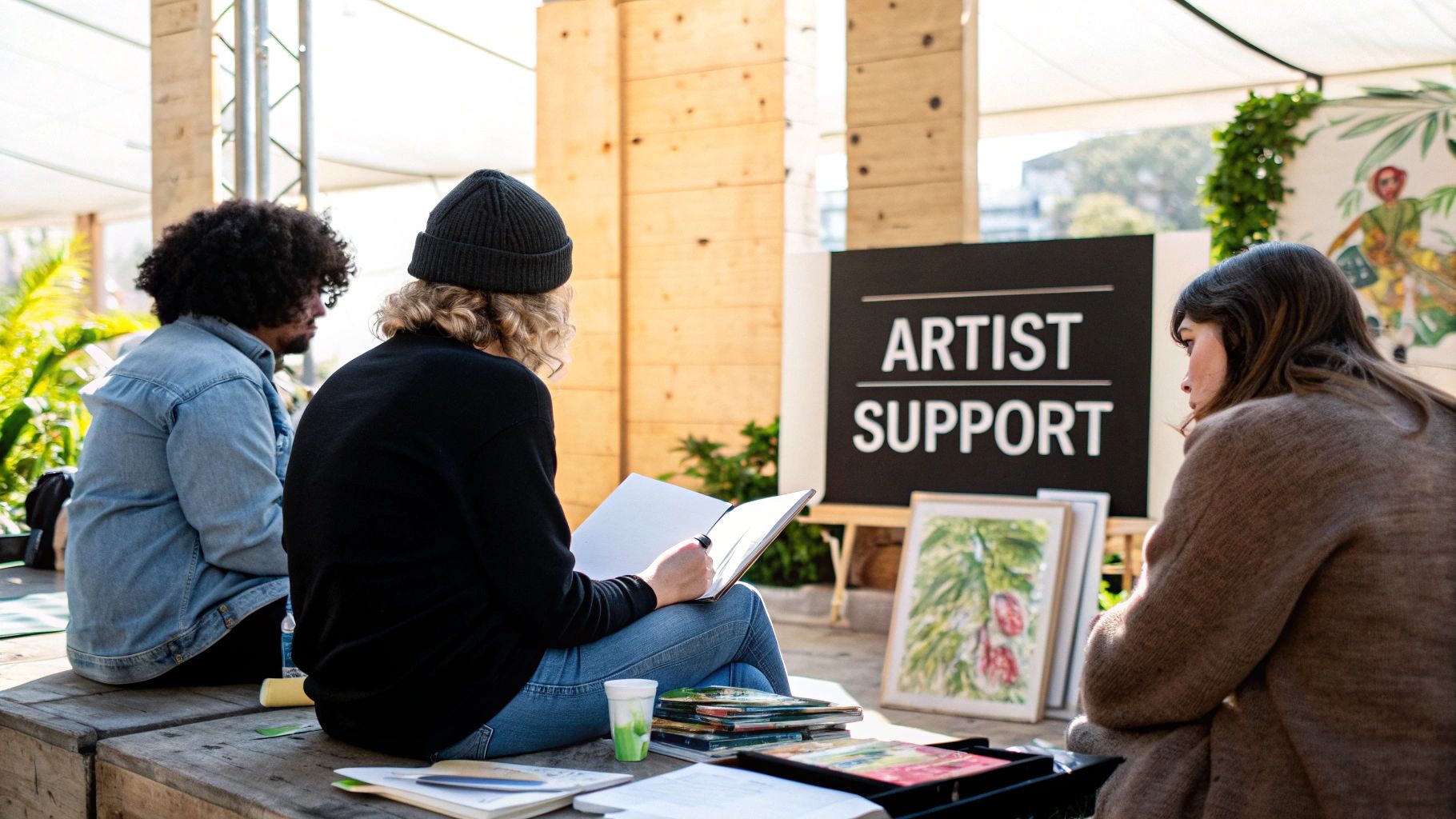
Consider a conceptual artist whose work demands a significant investment in both materials and space. In a standard apartment, the pressure of high rent might push them toward creating smaller, more commercially safe pieces just to make ends meet. The stability of an affordable live/work loft at Tilsner removes that need for creative compromise.
This security gives artists the freedom to explore their craft more deeply and pursue ambitious, large-scale projects that might otherwise feel out of reach. It helps turn a precarious passion into a viable, long-term profession.
The Power of a Creative Ecosystem
Beyond just affordability, the cooperative structure cultivates an invaluable sense of community. Making art can often be an isolating process, but at Tilsner, inspiration and honest feedback are always just a neighbor's door away.
An artist can step out of their studio and into a hallway conversation that sparks a new idea or helps them overcome a creative block. This natural, ongoing exchange of ideas and perspectives is a powerful catalyst for growth.
The Tilsner Artists Co‑op functions as a complete ecosystem. It provides the essential nutrients—affordable space, peer support, and exhibition opportunities—that allow an artist’s work to not only survive but truly flourish.
Ultimately, this nurturing environment does more than just support individual artists; it strengthens the entire creative landscape of St. Paul. By giving artists the foundation they need to thrive, the Tilsner Artists Co‑op ensures that bold, innovative work continues to emerge from its historic walls, enriching the cultural fabric for everyone.
Common Questions About the Tilsner
It’s natural to have questions when you’re curious about a unique place like the Tilsner Artists Co-op. Whether you’re an artist hoping to join, a neighbor wanting to visit, or just someone interested in St. Paul's creative scene, here are some straightforward answers to the things people ask most often.
This guide will clear up the details about what it’s like to live, work, and experience art at the Tilsner.
Is the Tilsner Artists Co-op Just for Painters?
Not at all. The co-op is a vibrant home for artists working across all kinds of disciplines. You’ll find sculptors, photographers, writers, musicians, filmmakers, and creators of every stripe here.
What really matters in the application process is an artist's serious commitment to their craft, not the specific medium they use. This focus on dedication is what fosters such a rich, collaborative environment. You can get a good feel for the wide range of opportunities in the art world by exploring different types of open calls for artists.
Can I Stop By an Artist's Studio Whenever I Want?
No, the studios are private live/work spaces, so they aren't open for casual public visits. Respecting the artists' privacy and personal space is a priority.
The best times to see inside the studios are during planned public events, like the biannual St. Paul Art Crawl or the festive Tilsner Market held each December.
While the studios are private, the building's public gallery is open to everyone. It has its own set hours for exhibitions, giving you a fantastic and reliable way to see the incredible work being made at the co-op.
Are There Income Rules for Living at Tilsner?
Yes, there are. Because the Tilsner is dedicated to providing affordable housing for artists, residents must meet certain income requirements. An applicant's income generally needs to fall below a specific percentage of the area's median income, which is adjusted based on household size.
These guidelines are fundamental to the co-op's mission. They ensure that the live/work spaces remain accessible to the working artists they were designed to support.
At Skyler’s Art, we believe art tells a story and transforms a space. Discover original, expressive paintings that blend impressionistic energy with personal narrative. Browse the collection and find a piece that speaks to you at https://skylers-art.org.